
Histamine Intolerance: Symptoms, Causes & Naturopathic Support
Could Histamine Be Connecting Symptoms That Seem Unrelated?
Histamine intolerance can be difficult to recognise because the symptoms don’t always seem to belong together. You may be trying to understand why you’re persistently exhausted or foggy, while also dealing with migraines, digestive symptoms, sinus congestion, anxiety, poor sleep or periods that have become heavier or more painful. Perhaps you’ve had each symptom investigated separately, but no one explanation seems to account for the whole picture.
And if you’ve noticed that some of these symptoms seem to come and go, your menstrual cycle may offer another clue. Symptoms can become more noticeable around ovulation or before your period, making it difficult to work out whether you’re dealing with a food reaction, a hormone problem or something else entirely.
When symptoms that seem unrelated start following the same patterns, histamine may be one of the connections worth exploring.
What Are the Symptoms of Histamine Intolerance?
Histamine can affect several systems at once, which means symptoms aren’t limited to the more recognisable signs of itching, hives or congestion. Depending on where histamine is acting, you might notice:
- Energy and cognition: fatigue, brain fog, difficulty concentrating
- Head and nervous system: headaches, migraine, dizziness, feeling wired or restless
- Mood and sleep: anxiety, agitation, low mood, insomnia or disrupted sleep
- Skin and sinuses: flushing, itching, hives, sneezing, congestion or watery eyes
- Digestion: bloating, nausea, abdominal discomfort, diarrhoea or changes in bowel habits
- Heart and circulation: palpitations, a racing heart or light-headedness
- Menstrual symptoms: heavier bleeding, increased period pain or symptoms that become more noticeable at particular points in your cycle
The useful clue isn’t simply how many symptoms you can tick off this list. It’s which symptoms appear together, when they change and what seems to shift them.
Histamine acts through four receptors – H1, H2, H3 and H4 – in different tissues throughout the body. This is one reason two people can have very different symptoms even when histamine is relevant to both. It also introduces an important distinction: having more histamine isn’t necessarily the same as responding more strongly to histamine.
That’s why recognising a histamine pattern is only the beginning. A symptom list can’t tell you whether you’re releasing more histamine, struggling to break it down, responding more strongly to it, or experiencing several of these at once. Understanding which of those is happening is far more useful than simply labelling every symptom as “high histamine”.
What Causes Histamine Intolerance?
The term histamine intolerance can be slightly misleading. It can sound as though your body has simply become intolerant to histamine and the solution is to avoid it. But histamine isn’t something your body is supposed to eliminate completely. You make it yourself, and it has important roles in immune signalling, digestion, circulation and the nervous system.
The more useful question is why an amount of histamine you once tolerated may now be producing symptoms.
There are three parts of that picture to consider: how much histamine is entering your system or being released by your own cells, how effectively you’re breaking it down, and how strongly your body is responding to it. More than one can be happening at the same time.
This helps explain why two people can eat the same high-histamine foods and have completely different reactions. The amount of histamine you’re exposed to is only one part of what determines whether you experience symptoms.
So when histamine symptoms appear, the question isn’t simply “What am I reacting to?” It’s also “Why has my tolerance changed?” Diet, gut health, histamine breakdown, hormones, immune and mast-cell activity, environmental exposures and individual differences in histamine signalling can all influence where that threshold sits.
Understanding which parts of that picture are relevant to you is far more useful than assuming the problem begins and ends with avoiding histamine.
Gut Health, DAO and Histamine Breakdown
When foods you’ve eaten for years suddenly start causing symptoms, the natural response is often to remove them. Then another food seems to cause a reaction, so that goes too. Before long, the list of foods you feel safe eating can become smaller and smaller.
But sometimes the food isn’t what changed – your ability to deal with the histamine it contains has.
Much of the histamine that enters through food is broken down in the intestine by an enzyme called diamine oxidase (DAO). If DAO activity is reduced, more dietary histamine may remain available to be absorbed rather than broken down before it enters circulation.
This is where the timing of your symptoms can tell us something useful. If reactions appeared or became noticeably worse after a period of digestive problems, a gastrointestinal infection, changes in bowel function or certain medications, it raises a different question: what changed in the gut around the time your tolerance changed?
The intestinal lining is one part of that picture because DAO is produced there. The gut microbiome may also influence histamine levels, although it’s more nuanced than simply having too many “bad” bacteria. Different bacterial strains can produce histamine, degrade it or have little effect on it at all.
This is why digestive symptoms or a change in gut health around the time your reactions began can be such a useful clue. The question becomes less about which individual food triggered you and more about whether something has changed in your capacity to deal with the histamine that food contains.
Methylation, HNMT and Histamine Breakdown
You may never have heard of methylation before, or you may already have an MTHFR result and a cupboard full of methylated B vitamins. Either way, knowing that methylation is connected to histamine doesn’t automatically tell you whether it’s a problem for you.
Methylation is one of the chemical processes your body uses every day to make, change and break down different compounds. For histamine, it matters because an enzyme called histamine N-methyltransferase (HNMT) uses this process to help break down histamine inside your cells. This is a different pathway from DAO, which is particularly important for dealing with histamine coming through the gut.
Where this can become confusing is the leap from “methylation is involved in histamine breakdown” to “I need methylated B vitamins.” That’s not necessarily the case.
In practice, some people who are already prone to anxiety find that methylated B vitamins make that anxiety noticeably worse. If you’ve taken them because you’ve been told you have an MTHFR variant or need to “support methylation”, only to feel significantly more anxious, that response matters. It doesn’t prove that you’re “overmethylating”, but it is a good example of why treating a pathway on paper isn’t the same as understanding how your body is responding to an intervention.
An MTHFR result has similar limitations. It can tell us something about one part of your methylation pathway, but it can’t tell us on its own how effectively you’re breaking down histamine, whether HNMT is actually a limiting factor, or whether methylation is the reason you’re symptomatic.
The useful question isn’t simply whether you have a methylation variant. It’s whether methylation appears to be one of the places your histamine metabolism is getting held up – and, if it is, what is actually contributing to that in you.
Liver Function and Histamine Metabolism
If histamine symptoms have led you to research liver health, you’ve probably encountered advice to “detox your liver“. It’s an appealing explanation – particularly if you’re also dealing with fatigue, headaches, hormone symptoms or feeling unusually sensitive to alcohol – but it can oversimplify what’s actually happening.
The liver participates in histamine metabolism, alongside many of the other compounds that can influence how you feel. But rather than thinking of it as a filter that becomes “clogged” with toxins, it’s more useful to think about whether the biochemical pathways involved in metabolism have what they need to function effectively.
This matters because histamine metabolism doesn’t happen in isolation. The liver is also involved in processing hormones, medications and alcohol, while relying on adequate nutrients and enzyme activity to carry out these processes. If several factors are placing demands on the same metabolic systems, the picture can become more complex than simply labelling it “poor detoxification”.
Alcohol is a good example. If a glass of wine suddenly leaves you flushed, congested, headachy or anxious, it’s tempting to assume you’ve simply become intolerant to wine. But alcohol can add to the histamine picture in more than one way – including the histamine present in some alcoholic drinks and its potential to interfere with histamine breakdown.
So supporting histamine metabolism isn’t the same thing as doing a liver detox. The more useful approach is to understand whether liver metabolism is actually relevant to your pattern, what may be placing additional demands on it, and whether there are specific factors that can be addressed rather than reaching automatically for another detox protocol.
When Mast Cells Are Releasing More Histamine
You’ve cut out wine, leftovers, fermented foods and everything else on the high-histamine lists – yet you’re still having days when your symptoms flare. At that point, continually searching for another food to remove may be looking in the wrong place.
Because not all of the histamine affecting you comes from something you’ve eaten. Your own cells make and release it too.
Mast cells are immune cells found throughout the body, particularly in the skin, airways and digestive tract. Histamine is one of the chemical messengers they release when activated. Allergens are an obvious trigger, but infections, physical stimuli, stress signalling and other forms of immune activation can also influence mast-cell activity.
This is where the question can shift from “What am I intolerant to?” to “What might be repeatedly telling my mast cells to release histamine?”
One possible influence is stress, but not in the dismissive sense of being told your symptoms are “just stress”. The nervous and immune systems communicate with each other, and physiological stress signalling can influence mast-cell activity. If histamine is already close to the threshold at which you become symptomatic, this may help explain why particularly stressful periods can coincide with more reactivity.
So if dietary changes have helped but haven’t solved the problem, that is useful information in itself. It may be telling us that reducing the histamine coming in is only addressing one side of the equation – while something inside the body is continuing to increase histamine release.
Histamine Receptors – When the Problem May Be How Strongly You Respond
It’s easy to assume that if histamine is causing significant symptoms, there must simply be too much of it. But there’s another part of the picture that’s much harder to measure: how strongly your body responds to the histamine that’s already there.
Histamine creates its effects by attaching to receptors on cells. There are four main types – H1, H2, H3 and H4 – with different roles across the immune system, digestive tract, circulation and nervous system. This is one reason histamine can affect everything from itching and digestion to blood vessels, sleep and neurological symptoms.
This is why the amount of histamine present doesn’t necessarily tell us how strongly you’ll feel its effects. A histamine test may give us some information about how much histamine is present at that point in time, but it can’t measure how strongly your individual tissues are responding when histamine activates their receptors.
There are individual differences in histamine receptors and signalling, but this is also where it’s important not to turn emerging science into another diagnosis. There isn’t currently a routine clinical test that can reliably tell you that a particular histamine receptor is “too sensitive” or responsible for your symptoms.
So if your symptoms don’t seem to match neatly with a histamine result, that doesn’t automatically mean histamine is irrelevant – but it doesn’t prove you have a receptor problem either. The result is one clue. What matters is how well it fits with the rest of your symptom pattern, history and other findings.
Histamine Intolerance and Hormones: Why Symptoms Can Change Throughout Your Cycle
Maybe you’ve always thought of your painful periods as a hormone problem, your migraines as migraines, your anxiety as anxiety and your congestion or itching as something completely separate.
But then you start noticing the timing.
The migraine tends to appear around ovulation or before your period. Your sleep deteriorates at the same time. You feel more anxious or wired – and then your period arrives heavier or more painful than usual.
When seemingly unrelated symptoms repeatedly worsen at the same points in your cycle, the timing may be telling us that they’re more connected than they first appear.
Oestrogen, Histamine and Mast Cells
One of those connections is oestrogen. Mast cells have receptors for oestrogen, and oestrogen can influence mast-cell activity and histamine release. Research has also found changes in histamine responsiveness across the menstrual cycle, including increased responsiveness around ovulation in some women.
This suggests that changes in oestrogen may influence histamine and mast-cell responses in some women. Experimental research also suggests progesterone may have a different, potentially inhibitory effect on mast-cell activation and histamine release. So if progesterone is lower or isn’t rising adequately after ovulation, one possibility is that there is less of this counterbalancing influence
This doesn’t mean that high oestrogen or low progesterone automatically causes histamine intolerance. But the pattern across your cycle can give us an important clue about whether your hormones are contributing to it.
For example, perhaps you eat avocado, chocolate or another histamine-rich food throughout the month without a problem, but reliably react to it around ovulation or in the days before your period. That makes me less interested in simply labelling the food as something you’re “intolerant” to and more interested in what has changed in your body at those particular times that has lowered your tolerance to it.
The same applies if your migraines, anxiety, poor sleep or other histamine-type symptoms repeatedly flare alongside changes in your period.
Instead of asking whether you’re dealing with a hormone problem or a histamine problem, the more useful question may be whether your hormonal pattern is one of the reasons your histamine symptoms become amplified at particular times of the month.
Histamine Intolerance During Perimenopause
If you’re in your late 30s or 40s and migraines, poor sleep, anxiety, digestive changes or increased reactivity have appeared alongside changes in your cycle, it’s easy to put the whole thing down to perimenopause.
And hormones may absolutely be part of the reason you’re feeling different. But “it’s just perimenopause” doesn’t necessarily explain what’s actually creating those symptoms.
During perimenopause, oestrogen doesn’t simply decline. It can fluctuate considerably, while ovulation becomes less consistent and progesterone may be lower in cycles where ovulation doesn’t occur or is less robust.
That matters because these hormonal changes can influence mast-cell and histamine activity. For some women, histamine may therefore be one of the pathways through which changing hormones are actually producing some of the symptoms they’ve been attributing to perimenopause.
This can also explain why the presentation can feel so inconsistent. You might have several relatively good weeks followed by a sudden increase in symptoms, even though nothing obvious in your diet or lifestyle has changed. The hormonal environment itself is becoming less predictable.
So the question isn’t simply “Are these symptoms caused by perimenopause?” Perimenopause describes the stage your hormones are moving through. The more useful question is what those changing hormones are doing in your body – and whether histamine is one of the pathways being affected.
That distinction matters because understanding why you’re experiencing a particular perimenopausal symptom gives you much more useful information than simply accepting it as something that happens in your 40s.
Could Your Environment Be Driving Your Histamine Symptoms?
Sometimes you can do everything you’re told to do for histamine – change your diet, work on your gut, take supplements – and still feel as though your body is constantly reacting to something.
When that happens, I start to wonder whether the missing clue might be outside the body rather than inside it.
Perhaps your symptoms became worse after moving house or working in a different building. Maybe they’re noticeably worse during certain seasons, on hot or humid days, or when you’re somewhere dusty. Or perhaps you feel surprisingly better when you go away, only for symptoms to creep back in once you’re home again.
Those patterns matter because the environment can influence how much histamine your immune system is being asked to release. Pollen and dust mites are obvious examples – in someone who is allergic or sensitised to them, exposure can activate mast cells and trigger histamine release. Temperature changes, including heat and cold, can also trigger histamine-mediated symptoms in susceptible people.
But one environmental pattern I pay particular attention to is damp and mould exposure.
I’ve seen women spend months trying to lower the amount of histamine coming through their diet or improve how effectively they’re breaking it down, only to discover there was another part of the equation: something in their environment was repeatedly stimulating an immune response.
That doesn’t mean mould is behind every case of histamine intolerance, or that finding mould automatically explains your symptoms. But if your symptoms began after water damage, become worse in a particular building or improve when you’re away from that environment, that’s a pattern I wouldn’t ignore.
And it changes the question. Instead of only asking “Why can’t my body clear histamine properly?”, sometimes we also need to ask:
“Is something I’m repeatedly exposed to giving my body more histamine to deal with in the first place?”
Because improving histamine breakdown can only address part of the picture if something is continually encouraging its release.
Can You Test for Histamine Intolerance?
It’s very common to reach this point and think: surely there must be a test that can tell me whether histamine is the problem.
And there are tests that can give us useful information. The frustrating part is that histamine intolerance doesn’t always show up neatly on them.
Serum histamine can be measured, and some comprehensive microbiome tests can provide information about histamine within the gut and whether particular bacteria may be contributing to histamine production. DAO testing is also available through some laboratories, although it isn’t routinely accessible everywhere and has limitations when interpreted on its own.
But finding histamine and understanding why histamine has become a problem are two very different things.
A histamine result is a snapshot. If it’s elevated, the next question is why? Are you struggling to break histamine down? Is more being released by mast cells? Is the gut contributing? Are hormones or environmental exposures adding another layer?
And if the result is normal, I don’t automatically assume histamine is irrelevant either. Histamine is continually being produced, released and broken down, so one result may not capture what was happening during the episodes you’re actually trying to understand.
This is where the investigation can sometimes need to widen.
If your history suggests mast-cell activation may be part of the picture, tests such as serum tryptase and other mast-cell mediator testing may be considered, often alongside specialist assessment. These aren’t simply different ways of testing for histamine intolerance – they’re asking a different question about whether mast cells themselves may be releasing mediators inappropriately.
This is why I rarely find the most useful answer in one isolated result.
A normal histamine result alongside symptoms that reliably change with your cycle tells us something. Elevated gut histamine alongside significant digestive changes tells us something different. Symptoms that began after moving into a water-damaged home add another clue again.
None of those pieces proves the answer on its own. It’s the pattern they create when they’re put together that starts to tell us where to look next.
Because the purpose of testing isn’t simply to prove that histamine is present. It’s to understand why histamine may have become a problem for you in the first place.
Histamine Intolerance vs MCAS: What’s the Difference?
If you’ve been researching histamine, you may have come across mast cell activation syndrome (MCAS) and wondered whether that’s what you actually have.
The symptoms can overlap, but histamine intolerance and MCAS aren’t the same thing.
Histamine intolerance generally describes a situation where the amount of histamine you’re exposed to or producing exceeds your capacity to break it down. With MCAS, mast cells are being activated inappropriately and can release multiple chemical mediators – histamine is only one of them.
This is also why feeling better with an antihistamine doesn’t tell you which one you’re dealing with. It tells you histamine may be involved, but not why.
If reactions are frequent, unpredictable, involve multiple body systems or seem to be triggered by many unrelated things, it may be worth investigating whether mast-cell activation is part of the picture.
You can read more about Mast Cell Activation Syndrome (MCAS), its symptoms, triggers and testing here.
Why a Low-Histamine Diet May Help Without Solving the Problem
If eating low histamine makes you feel significantly better, there’s no prize for forcing yourself to eat foods that make you feel worse.
A low-histamine diet can be a very useful way of reducing symptoms while you’re trying to understand what’s driving them. And if avoiding certain foods helps you feel more like yourself, that’s valuable in its own right.
The distinction I make is between using the diet for relief and assuming the diet has solved the problem.
Feeling better when you reduce histamine tells us something important about your current tolerance. What it doesn’t explain is why foods you may once have eaten without a second thought are now enough to trigger symptoms.
So you don’t need to choose between feeling better now and investigating the bigger picture. You can reduce the things that make you feel worse while also working towards understanding what changed in the first place.
For some women, that may eventually mean being able to tolerate more foods again. For others, there may always be particular foods they feel better avoiding.
The goal isn’t a perfect diet. It’s getting you to a place where food takes up less space in your life and you understand your body well enough to know what actually helps.
What Else Can Look Like Histamine Intolerance?
By this point, you may be recognising a lot of your own symptoms in what you’ve read. But recognising the pattern is different from assuming histamine explains everything.
Fatigue, headaches, bloating, anxiety, palpitations, flushing and changes in your periods can all occur for reasons that have nothing to do with histamine. Allergies, gastrointestinal conditions, thyroid dysfunction, iron deficiency, medication reactions, hormonal changes and mast-cell disorders can create overlapping symptoms.
And sometimes more than one thing is happening at once.
That’s why I wouldn’t want a histamine explanation to become another label that stops the investigation too early.
If histamine appears relevant, the next step is working out where it fits within the rest of your health picture – which symptoms it explains well, which ones it doesn’t, and whether something else needs investigating alongside it.
Because a good explanation shouldn’t just fit your symptoms. It should help make sense of why they’re happening to you.
Frequently Asked Questions
Find answers to common questions about endometriosis, naturopathic care, and Alexandra’s services.
Histamine intolerance describes symptoms that may occur when the amount of histamine you’re exposed to or producing exceeds your body’s capacity to metabolise it effectively. The underlying reason can differ considerably between people.
Symptoms can include fatigue, brain fog, headaches or migraine, anxiety, poor sleep, flushing, itching, congestion, digestive symptoms, palpitations and light-headedness. Some women also notice heavier or more painful periods or symptoms that change throughout their menstrual cycle.
Yes, fatigue is commonly reported alongside histamine-related symptoms, although fatigue has many possible causes. If you’re persistently exhausted, it’s important not to assume histamine is the only explanation.
Hormonal changes may influence mast-cell activity and histamine responses. If your symptoms reliably become worse around ovulation, before your period or during perimenopause, your hormonal pattern may be an important part of the investigation.
Your response isn’t determined by the histamine content of one food alone. What else you’ve eaten, your hormonal environment, gut health, mast-cell activity and other exposures may influence how much histamine your body is dealing with at that particular time.
Potentially. DAO, one of the enzymes involved in breaking down dietary histamine, is produced in the intestine, and research is also exploring how histamine-producing bacteria within the gut microbiome may contribute to symptoms.
There is currently no single validated test that can diagnose histamine intolerance on its own. Histamine, DAO and some histamine-related gut findings can provide useful information, but results need to be interpreted alongside your symptoms, history and other relevant investigations.
Not necessarily. If reducing dietary histamine helps you feel better, it can be a useful symptom-management strategy while the underlying picture is investigated. How restrictive your diet needs to be, and for how long, will depend on your individual response.
No. Histamine intolerance generally relates to an imbalance between histamine exposure or production and the body’s ability to metabolise it. MCAS involves inappropriate mast-cell activation and the release of multiple mediators, of which histamine is only one.
Damp and mould-affected environments can provoke respiratory, allergic and immune responses. In susceptible people, environmental exposure may be one factor contributing to ongoing immune or mast-cell activity, particularly when symptoms change noticeably between environments.
Medical Disclaimer
The information on this page is for educational purposes only and is not intended to diagnose, treat or replace individual medical advice. Histamine-related symptoms can overlap with allergies, mast-cell disorders and other medical conditions. Always discuss persistent, severe or unexplained symptoms with an appropriately qualified healthcare professional.
'For many women, a diagnosis answers what is happening, but not why...'

Conquer Endometriosis Naturally Program
If you’re feeling lost and overwhelmed trying to figure out the best way to reduce your Endometriosis symptoms then follow this link to find out more about my Conquer Endo Naturally Program
If you’re looking for endometriosis naturopathic support that takes a whole-body, evidence-aware approach, follow the link below to learn more then book a consultation or discovery call.
Telehealth Care
Ready to Understand What's Driving Your Histamine Symptoms?
If you’re tired of trying to work out whether the problem is food, hormones, your gut, your environment or something else entirely, you don’t need to keep guessing.
Your symptoms are clues. The next step is working out what they’re actually pointing to.
Book an online consultation to explore your symptoms, history and existing results, and determine where the investigation needs to go next.

Related Resources:

Mould Exposure
Mould Exposure: Symptoms, Testing & Naturopathic Support When your health changes after moving home, renovating,

Mast Cell Activation Syndrome (MCAS)
Mast Cell Activation Syndrome (MCAS): Symptoms, Testing & Naturopathic Support When reactions become unpredictable, it
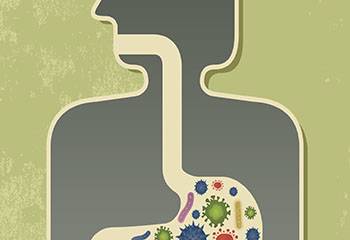
The gut-immunity connection
Did you know that your gut function and bacteria play a huge role in the
EXCELLENT Based on 34 reviews
 Posted on Google
 Eliza YoungI cannot imagine where I would be if I hadn’t been introduced to the amazing Alexandra. I was really struggling with my hormones and trying to conceive. Now not only has my partner praised the changes in me, I’m also pregnant with my first child She really is a miracle workerPosted on Google
 Rachel PulverAlexandra is an incredibly knowledgeable and passionate practitioner. I thought I knew how to care for my health before seeing her, but she encouraged dietary changes and recommended supplements that have been invaluable in boosting and maintaining my energy while reducing the pain I experience in association with my endometriosis. She was extremely thorough in exploring all aspects of my physiology and personal history to hypothesise the underlying causes of my symptoms and treat me from a holistic perspective. I highly recommend Alexandra to anyone seeking answers about their health, particularly if they have endometriosis!Posted on Google
 NeridaHighly recommend Alex - I feel I've been in trusted hands, as I have been seeing her for about 8 months now as I go through IVF cycle, laparoscopy, endometriosis management and a pregnancy. She is very knowledgeable and a strong advocate for women's health, which has given me the confidence to advocate for myself more. She has looked at the bigger picture of what is helping or hindering my symptoms. My gut and reproductive health are in a far, far better place now than before I started seeing her.Posted on Google
 ZoeI wanted to wait before writing this review so I could genuinely say that my symptoms had significantly improved. I have been seeing Alex for two years, and during that time we have brought my endometriosis pain to a place where it is fully manageable with minimal pain medication. The difference in my quality of life has been profound. I also work closely with children and was previously getting sick almost every month. Since working with Alex, I rarely become unwell, even after close contact with the flu. With the supplements and plan she has tailored for me, my body now responds quickly and I am able to stay well and maintain my routine. Alex has strong professional connections across both Eastern and Western healthcare practitioners, which has been invaluable. She is meticulous, highly efficient, and an exceptional communicator who truly listens. Every recommendation feels considered and personalised. I began with her endometriosis package and have continued under her care since. She has been worth every cent. I will continue to see Alex long term and confidently recommend her to my family and friends. She will remain my primary practitioner alongside the GP she connected me with for as long as she is practising.Posted on Google
 Claudia CirjakHighly recommend Alex for tailored support during your endo journey. She is extremely thorough and detailed throughout the process. She is so well educated on the topic of women’s health and all things endo. Definitely reach out to Alex!Posted on Google
 Mel AbreyI love that I can have each appointment via Zoom. Perfect for my busy schedule. And Alex is wonderful and so knowledgeable. My health has benefitted greatly is so many areas since joining her program in April. Very grateful and thankful.Posted on Google
 Maria MejiaI started seeing Alex back in January, and since then my health has improved so much. My endo symptoms are gone. I have energy again! I rarely get sick anymore, my immunity has improved so much. My sinus symptoms have improved. Overall I feel more calm and in control of my health again. Alex is very knowledgeable and empathetic, and I'm so grateful for the guidance she's given me. Thank you again Alex for everythingPosted on Google
 ElizaAfter long time of feeling stuck with endo and fatigue, I started working with Alexandra which is when things began moving in a positive direction for me. Working with her for almost a year has been life-changing. My period pain level already decreased from 7-9 to 2-4 and we expect further improvements. Another win is that I am now getting off of antidepressants which is highly supported by the improvement of my overall health, as well as finding support and agency in alleviating my long-lasting symptoms. Alex always impresses me with the depth and complexity of her knowledge and research. At the same time she is attuned to and accepting of my rhythm and current capacity, making this big undertaking of healing endo at its roots, a stress and pressure-free experience. Alex is an exceptional practitioner, and I believe that our work together will benefit me for years to come.Posted on Google
 Lauren WI can't express enough how grateful I am for Alex's guidance and care. I started seeing Alex in 2023 when I was struggling with multiple health issues, and she has been an unwavering source of support and knowledge ever since. She's taught me so much along the way & has changed my life for the better. Thanks to Alex I've been able to manage stage 4 endometriosis without needing any further surgeries since being under her guidance, and my periods are now pain-free. She's also been instrumental in helping me with histamine issues and mold exposure. Beyond her expertise she is so kind + caring and has always made me feel heard since day one. I highly recommend Alex!!! She's made a world of difference in my health + getting my life back and I'm forever thankful to have had her on my side through it all.Posted on Google
 Jordann Crawford-AshI have been seeing Alex since November last year after a severe endometriosis diagnosis post laparoscopy. I was so overwhelmed about moving forward with this illness until I found Alex. She understood my situation completely and I felt supported and heard from our first consultation. I improved from the first month of treatment, and now, only 4 months in, I feel like a completely different person. I am back living a full life and my pain symptoms are already more than halved, something I personally haven't been able to achieve with other treatment options. Her treatment plans are detailed and extremely knowledgeable, incorporating the latest scientific research and natural medicine practices, and we have slowly introduced lifestyle and diet changes and supplements over time, making things extremely manageable. I truly can't recommend Alex enough!
Scientific Resources
- Comas-Basté O, Sánchez-Pérez S, Veciana-Nogués MT, Latorre-Moratalla ML, Vidal-Carou MC. Histamine Intolerance: The Current State of the Art. Biomolecules. 2020;10(8):1181. https://pubmed.ncbi.nlm.nih.gov/32824107/
- Bent RK, Kugler C, Faihs V, et al. Placebo-Controlled Histamine Challenge Disproves Suspicion of Histamine Intolerance. J Allergy Clin Immunol Pract. 2023;11(12):3724-3731.e11. https://pubmed.ncbi.nlm.nih.gov/37648152/
- Schnedl WJ, Lackner S, Enko D, Schenk M, Holasek SJ, Mangge H. Histamine Intolerance Originates in the Gut. Nutrients. 2021;13(4):1262. https://pubmed.ncbi.nlm.nih.gov/33921522/
- Sánchez-Pérez S, Comas-Basté O, Duelo A, et al. Intestinal Dysbiosis in Patients with Histamine Intolerance. Nutrients. 2022;14(9):1774. https://pubmed.ncbi.nlm.nih.gov/35565742/
- Panula P, Chazot PL, Cowart M, et al. International Union of Basic and Clinical Pharmacology. XCVIII. Histamine Receptors. Pharmacol Rev. 2015;67(3):601-655. https://pubmed.ncbi.nlm.nih.gov/26084539/
- Horton JR, Sawada K, Nishibori M, Cheng X. Structural Basis for Inhibition of Histamine N-Methyltransferase by Diverse Drugs. J Mol Biol. 2005;353(2):334-344. https://pubmed.ncbi.nlm.nih.gov/16168438/
- Zierau O, Zenclussen AC, Jensen F. Role of Female Sex Hormones, Estradiol and Progesterone, in Mast Cell Behavior. Front Immunol. 2012;3:169. https://pubmed.ncbi.nlm.nih.gov/22723800/
- Vliagoftis H, Dimitriadou V, Boucher W, et al. Estradiol Augments while Tamoxifen Inhibits Rat Mast Cell Secretion. Int Arch Allergy Immunol. 1992;98(4):398-409. https://pubmed.ncbi.nlm.nih.gov/1383260/
- Valent P, Akin C, Bonadonna P, et al. Proposed Diagnostic Algorithm for Patients with Suspected Mast Cell Activation Syndrome. J Allergy Clin Immunol Pract. 2019;7(4):1125-1133.e1. https://pubmed.ncbi.nlm.nih.gov/30737190/
- Fokkens WJ, Ebbens F, van Drunen CM. Fungal Rhinosinusitis: A Categorization and Definitional Schema Addressing Current Controversies. Laryngoscope. 2009;119(9):1809-1818. https://pubmed.ncbi.nlm.nih.gov/19544383/