
Histamine and Mould Illness
Naturopathic Support
Your body used to feel predictable. You could eat a meal, enter a room, or exercise without reacting. But now? Flushing, fatigue, itching, headaches, bloating, dizziness, breathlessness, anxiety spikes or sudden crashes appear out of nowhere. You may feel wired one moment and utterly depleted the next. Even small triggers, like certain foods, smells, weather changes, stress, or certain environments can set symptoms off in a second.
These patterns don’t appear at random. They often develop when your body is dealing with hidden inflammatory stressors, impaired detoxification, mould exposure, nervous-system dysregulation, or a histamine system pushed beyond capacity. Over time, this can lead to histamine intolerance, Mast Cell Activation Syndrome (MCAS), mould-related illness, dysautonomia, POTS, and chronic gut‑immune disruption.
My role is to help you understand why your body is reacting this way, and to show you how to gently bring it back into balance. Through evidence‑aware naturopathic care, I help you stabilise immune system, calm the nervous system, reduce inflammatory triggers, support detoxification, clean up your environment and rebuild resilience so your body can feel safe again.

Why These Conditions Are Interconnected
Histamine overload, mould toxicity, mast-cell activation and autonomic dysfunction frequently overlap because they stress the same biological pathways. Poor detoxification increases histamine load. Mould exposure can overstimulate mast cells and disrupt the nervous system. Gut inflammation impairs histamine breakdown. And chronic stress dysregulates the HPA-axis, worsening reactivity.
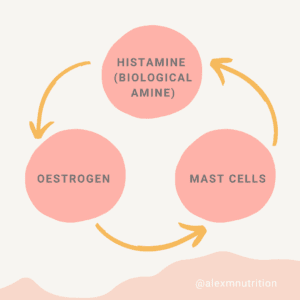
Women are also uniquely vulnerable to these patterns. Oestrogen increases mast-cell activation and inflammatory signalling, which means fluctuations across the menstrual cycle, perimenopause, or conditions such as endometriosis, adenomyosis or PMDD can magnify symptoms. This sensitivity is even greater in women with slow COMT, methylation issues, dysautonomia or a history of high stress, whose regulatory systems are already under strain. Past or current mould exposure can trigger a stronger, longer-lasting response in this particular group of women.
When one system becomes overwhelmed, the others soon follow, creating multisystem symptoms that seem “mysterious” but are deeply connected. Addressing these foundations helps calm inflammation, stabilise energy, reduce hypersensitivity and rebuild long-term resilience.

Alexandra’s Approach to Histamine and Mould-Related Illness
I start by assessing what processes are being disrupted — including immune signalling, nervous-system balance, hormone regulation, metabolism, detoxification and any environmental triggers such as mould or chemical exposure. Standard tests often appear “normal,” even when the underlying drivers remain active.
Once we understand your drivers, I design a personalised plan that supports the systems most under strain. This includes stabilising mast-cell activity, improving histamine breakdown, repairing gut integrity, enhancing mitochondrial energy, strengthening detoxification pathways, regulating the nervous system including autonomic and vagal-nerve function, and improving adrenal–thyroid balance. The focus is to lower reactivity, reduce mycotoxin and inflammatory load, improve tolerance, and rebuild long-term resilience..
My multi‑system assessment explores:
- Histamine metabolism (DAO function, HNMT activity, gut contributors)
- Mast‑cell activation patterns
- Gut integrity, microbiome balance and GI‑driven inflammation
- Mould exposure history and susceptibility
- Mycotoxin burden and detoxification efficiency
- Thyroid, adrenal and cortisol patterns
- Mitochondrial energy production
- Iron status and oxygen transport
- Liver pathways for detoxification and hormone clearance
- Environmental exposures (mould, chemicals, EMF, fragrances)
- Nervous‑system regulation and vagal tone
- Autonomic dysfunction (POTS, orthostatic intolerance, HR variability)
- Sleep quality and circadian rhythm imbalance
- Immune activation, inflammation and oxidative stress
My Treatment Strategy For Histamine & Mould Illnesses
Living with histamine or mould-related illness often means feeling dismissed or misunderstood. My process is designed to bring clarity, validation and structure back to your recovery.

Comprehensive Assessment
We begin with a detailed consultation exploring symptoms, environmental exposures, home or workplace factors, stress load, autonomic patterns, digestive health, and immune reactivity. When needed, I collaborate with your GP to assess for underlying drivers through blood work, inflammatory markers, thyroid/adrenal studies, and, where relevant, histology-based mast-cell assessment using existing biopsy samples. I may also recommend targeted functional testing such as mycotoxin panels, microbiome analysis, or DUTCH testing to clarify what your body is reacting to.
Investigation & Personalised Protocol Development
Once your drivers are identified, I develop a plan that addresses detoxification, mast-cell stability, gut repair, mitochondrial energy, autonomic regulation, and nervous-system retraining. This may include identifying and rectifying environmental triggers (such as mould, chemicals, or allergens), strengthening detox pathways, supporting histamine metabolism, and restoring vagal tone. Every step is tailored to your sensitivity level and your system’s capacity.
Implementation, Review & Support
You’ll receive structured guidance as you move through each phase. We make continual adjustments based on your symptoms, exposures, and nervous-system responses. Regular reviews help stabilise reactivity, reduce flare triggers, and rebuild resilience at a pace your body can tolerate.
Long-Term Resilience
Most people begin noticing improvements in energy, sensitivity, gut comfort or autonomic stability within 4–8 weeks. Deeper recovery (particularly in mould-related or nervous-system-driven conditions) unfolds gradually over several months. Ongoing support helps consolidate improvements, prevent relapse, and strengthen your system’s long-term capacity to tolerate everyday stresses and environmental exposures.
Some Histamine and Mould Illness Categories Alex Covers:
Although each person’s symptoms look different, these conditions often arise from overlapping root causes, including immune hyper‑reactivity, poor histamine clearance, mould toxicity, gut barrier dysfunction, mast‑cell activation, HPA‑axis imbalance, impaired detoxification pathways and environmental toxin overload. Addressing these foundations is key to restoring stability, reducing reactivity and supporting long‑term recovery.
Histamine Intolerance
Description: Flushing, itching, headaches, bloating or anxiety after eating aren’t just “normal sensitivities.” Learn what’s overwhelming your histamine pathways and how personalised support helps calm reactions and restore balance.
Mould Exposure & Detoxification
Unexplained fatigue, brain fog, sinus issues, chemical sensitivity or dizziness may signal mould-related illness, especially if you’ve had known exposure (past or present). Discover how to support detoxification, lower inflammation and rebuild your system’s tolerance.
Mast Cell Activation Syndrome (MCAS)
Unpredictable reactions, inflammation flares, food sensitivities or “mysterious” symptoms can point to MCAS. Explore approaches that help regulate mast‑cell activity so your body can feel calmer and more stable.
Dysautonomia & POTS
Dizziness, rapid heart rate, breathlessness, fatigue or temperature swings are signs your autonomic nervous system needs support. Learn what drives dysautonomia & POTS, and how to rebuild regulation and stamina.
Nervous System Regulation
A sensitised nervous system amplifies symptoms and reactivity. Discover strategies that restore regulation, support vagal tone, and help your system return to safety and resilience.
Gut–Immune Repair
Gut inflammation and microbiome imbalance can trigger histamine issues, immune activation and fatigue. Learn how to repair your gut barrier and support a calmer, more tolerant immune system.
Latest Insights on Histamine and Mould Intolerance
Discover recent articles on Histamines, Mould Illness and holistic care.
Endometriosis & histamine intolerance
Many women with Endometriosis are unknowingly suffering from a ‘histamine intolerance’ that can be making