
Fibroids Naturopathic Support
If you're living with fibroids, you may be dealing with heavy or prolonged periods, clotting, pelvic pressure, bloating, fatigue or fertility challenges - and wondering why they developed or why your symptoms seem to be getting worse. A fibroid diagnosis tells us what is there, but it doesn't always explain the whole symptom picture. My approach looks beyond the fibroids themselves to understand your individual hormonal and symptom pattern, what may be contributing to how you feel, and where personalised support may be most useful.
Fibroids can be exhausting
Being told your fibroids are “nothing to worry about” can be incredibly confusing when your day-to-day experience tells a very different story.
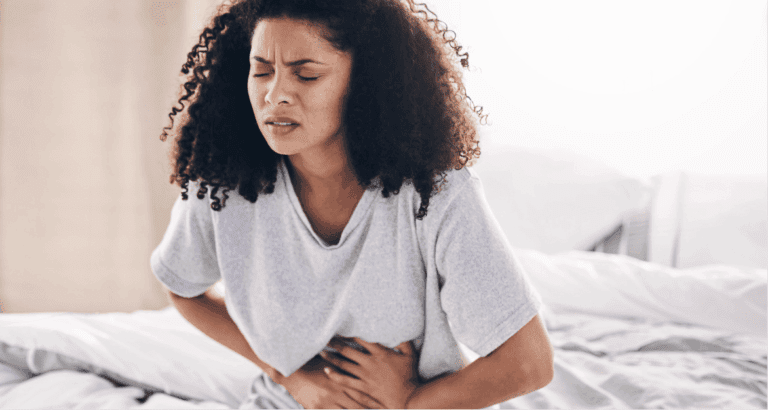
Perhaps your periods have become heavier over time. You’re changing protection more often than feels normal, passing clots, planning your life around your cycle, or constantly feeling drained from blood loss. Maybe you’re dealing with pelvic pressure, bloating, bladder symptoms or wondering why your energy never seems to recover between periods.
While fibroids are benign (non-cancerous), that doesn’t mean they’re benign to live with.
Medication and surgery can be important treatment options for some women, particularly when bleeding, pressure symptoms or fertility are affected. But understanding the factors that may be influencing fibroid growth, bleeding patterns and hormone signalling can also help support calmer cycles, better energy and more informed treatment decisions over time.
I provide personalised online naturopathic support for women with fibroids across Australia and internationally. My approach is evidence-aware and designed to work alongside the care you’re already receiving from your GP and gynaecologist.
What are uterine fibroids?
Uterine fibroids (also called leiomyomas) are benign (non-cancerous) growths that develop from the smooth muscle and connective tissue of the uterus.
They can vary considerably in size, number and location, which is why two women with fibroids can have completely different symptoms. Some women have small fibroids with significant bleeding, while others have larger fibroids that mainly cause pressure or no symptoms at all.
Depending on their size and location, fibroids may be associated with:
- Heavy or prolonged menstrual bleeding
- Passing blood clots during your period
- Pelvic pressure or a feeling of heaviness
- Bloating or abdominal distension
- Bladder frequency or urgency
- Constipation or bowel pressure
- Pelvic pain or discomfort
- Fertility or pregnancy challenges in some women
What fibroids can feel like day to day
Fibroids are more than a finding on an ultrasound.
For many women, they influence everyday life in ways that aren’t always obvious to others. Heavy bleeding can make it difficult to plan work, travel or social events. Pelvic pressure may affect exercise, bladder or bowel habits, while ongoing blood loss can leave you feeling tired long before your next period arrives.
Symptoms often develop gradually and become your “normal”, making it easy to underestimate just how much they’re affecting your quality of life.
No two women experience fibroids in exactly the same way. Understanding your individual symptom pattern is an important first step in deciding the most appropriate management approach.
What drives fibroid symptoms (and why addressing drivers matters)
Fibroids rarely develop or behave because of a single factor.
Instead, they reflect a complex interplay between hormone signalling, tissue growth, blood vessel development, bleeding mechanics and whole-body influences. This is one of the reasons fibroids can look and behave so differently from one woman to the next.
While medication or surgery may be appropriate for some women, understanding the factors that may be influencing fibroid growth, bleeding patterns and symptom severity can help guide a more personalised approach to long-term management.
Not every driver below will apply to every woman, but together they form the framework I use when assessing fibroids clinically.
Vascular growth and blood supply (angiogenesis)
Fibroids don’t simply grow larger over time – they also develop their own blood supply.
This process, known as angiogenesis, allows fibroids to receive the oxygen and nutrients they need to continue growing. It may also contribute to heavier menstrual bleeding and ongoing symptom progression in some women.
When assessing fibroids, I consider whether excessive vascular signalling may be contributing to persistent symptoms, particularly when bleeding has become progressively heavier or fibroids continue to increase in size. Understanding this process can help explain why fibroids don’t always remain stable over time.
Bleeding mechanics: surface area, uterine contractility, and clot formation
Heavy menstrual bleeding isn’t always explained by hormone levels alone.
Fibroids can change the physical structure of the uterus by increasing the surface area of the uterine lining, disrupting coordinated uterine muscle contractions and affecting how effectively blood vessels constrict during menstruation.
This helps explain why some women experience heavy bleeding, flooding, prolonged periods or passing large clots, while others with fibroids have very different symptoms.
Understanding these mechanical factors is important because they influence both symptom severity and the most appropriate treatment approach, regardless of whether you’re pursuing conservative management or considering surgery.
Bleeding patterns and iron: when low iron isn’t straightforward
Heavy or prolonged bleeding is one of the most common reasons women with fibroids develop iron deficiency. Over time, this can affect energy, mood, exercise tolerance, concentration and recovery between periods.
Managing iron isn’t always as simple as taking a supplement. I interpret your bleeding pattern alongside a full iron panel, inflammatory markers, symptoms and, where relevant, gut health, because inflammation can influence how iron is stored and utilised. This broader context helps guide more appropriate treatment decisions.
Fibroid location and why it matters
When it comes to fibroids, size isn’t the only thing that matters. Their location within the uterus can have a significant impact on the symptoms they cause.
For example, fibroids that grow into the uterine cavity are more likely to contribute to heavy bleeding, prolonged periods and fertility challenges. Fibroids growing within the muscular wall of the uterus may cause heavy bleeding, pelvic pain or pressure, while those growing on the outside of the uterus are more likely to press on nearby organs, contributing to bladder frequency, constipation or a feeling of pelvic heaviness.
Understanding the location of your fibroids helps explain why two women with similarly sized fibroids can have very different symptoms, and why treatment recommendations vary from one person to the next.
Oestrogen metabolism and clearance
Fibroids are hormonally responsive, particularly to oestrogen. However, it’s not always about how much oestrogen your body produces. How efficiently it’s metabolised and cleared may also influence hormone signalling.
When oestrogen is metabolised less efficiently or recirculated through the gut, it may contribute to prolonged oestrogen exposure in some women. This is why I often consider liver function, gut health and hormone metabolism as part of the broader clinical picture.
Progesterone signalling (beyond “low progesterone”)
Progesterone plays a far more complex role in fibroids than simply being “low”.
Research suggests fibroid tissue may respond differently to progesterone than healthy uterine tissue. This means symptoms aren’t always explained by hormone levels alone, but also by how the tissue responds to those hormonal signals.
Understanding this helps explain why hormonal treatments don’t work the same way for every woman and why a more individualised approach is often needed.
Pressure effects on bowel and bladder
Depending on their size and location, fibroids can place pressure on nearby organs. This may lead to bladder frequency or urgency, difficulty fully emptying the bladder, constipation, bloating, pelvic heaviness or abdominal discomfort.
Because these symptoms are often caused by the physical presence of the fibroid rather than inflammation, they don’t always improve with gut-focused treatments alone. Understanding where your fibroids are located can help explain why these symptoms occur and guide the most appropriate management.
Growth factors and why fibroids behave differently
Fibroids don’t all grow at the same rate. Some remain stable for years, while others grow more rapidly or begin causing symptoms after being present for a long time.
Research suggests this variation is influenced by differences in growth factors, hormone receptor activity, blood supply and the local tissue environment. This helps explain why two women with similar fibroids can have very different experiences, and why treatment decisions should always be individualised.
Oxidative stress related to tissue growth
Oxidative stress occurs when the body’s production of free radicals exceeds its ability to neutralise them with antioxidants.
Research suggests oxidative stress may contribute to the development and growth of fibroids by influencing cellular signalling, tissue repair and the local uterine environment. While it’s unlikely to be the sole driver, it forms part of the broader picture and may interact with hormonal and inflammatory pathways.
Environmental exposures and fibroids
It may not be a coincidence that fibroids have become increasingly common during the same decades that our exposure to synthetic chemicals has risen dramatically.
Researchers are investigating whether endocrine-disrupting chemicals (EDCs), found in products such as plastics, pesticides, fragrances and some personal care products, may influence hormone signalling and fibroid development in susceptible women. While these exposures are unlikely to be the sole cause of fibroids, they may contribute to the overall hormonal and environmental load.
The goal isn’t to eliminate every chemical from your life. It’s to identify the exposures that may be most relevant to you and reduce them where practical.
Frequently Asked Questions
Find answers to common questions about endometriosis, naturopathic care, and Alexandra’s services.
Yes. Heavy or prolonged bleeding and passing blood clots are among the most common symptoms of fibroids, particularly when they affect the uterine cavity or interfere with normal uterine contractions.
No. Many fibroids can be monitored or managed conservatively. Whether surgery is recommended depends on factors such as your symptoms, the size and location of the fibroids, how quickly they’re growing and your fertility goals.
They can. The impact depends largely on the size and location of the fibroids. Many women with fibroids conceive naturally, while others may benefit from medical, surgical or supportive treatment before trying to conceive.
Sometimes. Fibroids often shrink after menopause as hormone levels decline, but before menopause their behaviour is much less predictable. Some remain stable for years, while others continue to grow or cause symptoms.
Yes. Larger fibroids, or multiple fibroids, can cause abdominal bloating, pelvic fullness or a visibly enlarged abdomen. This is usually related to the size and location of the fibroids rather than digestive problems.
Yes. Depending on their size and location, fibroids can place pressure on the bladder or bowel, contributing to urinary frequency, difficulty emptying the bladder, constipation or a feeling of pelvic heaviness.
They can. Surgery removes existing fibroids, but it doesn’t prevent new fibroids from developing in the future. The likelihood of recurrence depends on factors such as age, the type of surgery and individual hormone signalling.
There isn’t one best approach for everyone. Support is personalised and may include assessing the factors contributing to heavy bleeding, hormone signalling, iron status and overall health, while working alongside your GP or gynaecologist.
No. Fibroids are benign (non-cancerous) growths of the uterine muscle. Cancer developing within a fibroid is extremely rare, although any new or concerning symptoms should always be assessed by your healthcare provider.
Medical Disclaimer
The information on this page is general and educational and is not intended to replace medical advice, diagnosis or treatment. Please consult your GP, gynaecologist or other qualified healthcare professional for advice specific to your individual circumstances.
'For many women, a diagnosis answers what is happening, but not why...'

Conquer Endometriosis Naturally Program
If you’re feeling lost and overwhelmed trying to figure out the best way to reduce your Endometriosis symptoms then follow this link to find out more about my Conquer Endo Naturally Program
If you’re looking for endometriosis naturopathic support that takes a whole-body, evidence-aware approach, follow the link below to learn more then book a consultation or discovery call.
Telehealth Care
Book an Online Consultation
If you’re looking for personalised support for fibroids, I’d love to help.
I offer personalised online naturopathic consultations for women across Australia and internationally. Together, we’ll explore the factors that may be contributing to your symptoms and develop a practical, evidence-informed plan designed to complement the care you’re already receiving from your healthcare team.

Related Resources:

Cortisol and Chronic Pain: The Hidden Role of Low Cortisol
If your pain has become easier to trigger alongside fatigue, poor recovery or hormonal changes,

Endometriosis Flares: 9 Triggers & Practical Ways to Find Relief
Managing an endometriosis flares isn’t only about finding ways to get through them once you’re
Endometriosis and Sleep Disorders
Women with endometriosis often face more frequent complaints of poor sleep, reduced quality of life, and
EXCELLENT Based on 34 reviews
 Posted on Google
 Eliza YoungI cannot imagine where I would be if I hadn’t been introduced to the amazing Alexandra. I was really struggling with my hormones and trying to conceive. Now not only has my partner praised the changes in me, I’m also pregnant with my first child She really is a miracle workerPosted on Google
 Rachel PulverAlexandra is an incredibly knowledgeable and passionate practitioner. I thought I knew how to care for my health before seeing her, but she encouraged dietary changes and recommended supplements that have been invaluable in boosting and maintaining my energy while reducing the pain I experience in association with my endometriosis. She was extremely thorough in exploring all aspects of my physiology and personal history to hypothesise the underlying causes of my symptoms and treat me from a holistic perspective. I highly recommend Alexandra to anyone seeking answers about their health, particularly if they have endometriosis!Posted on Google
 NeridaHighly recommend Alex - I feel I've been in trusted hands, as I have been seeing her for about 8 months now as I go through IVF cycle, laparoscopy, endometriosis management and a pregnancy. She is very knowledgeable and a strong advocate for women's health, which has given me the confidence to advocate for myself more. She has looked at the bigger picture of what is helping or hindering my symptoms. My gut and reproductive health are in a far, far better place now than before I started seeing her.Posted on Google
 ZoeI wanted to wait before writing this review so I could genuinely say that my symptoms had significantly improved. I have been seeing Alex for two years, and during that time we have brought my endometriosis pain to a place where it is fully manageable with minimal pain medication. The difference in my quality of life has been profound. I also work closely with children and was previously getting sick almost every month. Since working with Alex, I rarely become unwell, even after close contact with the flu. With the supplements and plan she has tailored for me, my body now responds quickly and I am able to stay well and maintain my routine. Alex has strong professional connections across both Eastern and Western healthcare practitioners, which has been invaluable. She is meticulous, highly efficient, and an exceptional communicator who truly listens. Every recommendation feels considered and personalised. I began with her endometriosis package and have continued under her care since. She has been worth every cent. I will continue to see Alex long term and confidently recommend her to my family and friends. She will remain my primary practitioner alongside the GP she connected me with for as long as she is practising.Posted on Google
 Claudia CirjakHighly recommend Alex for tailored support during your endo journey. She is extremely thorough and detailed throughout the process. She is so well educated on the topic of women’s health and all things endo. Definitely reach out to Alex!Posted on Google
 Mel AbreyI love that I can have each appointment via Zoom. Perfect for my busy schedule. And Alex is wonderful and so knowledgeable. My health has benefitted greatly is so many areas since joining her program in April. Very grateful and thankful.Posted on Google
 Maria MejiaI started seeing Alex back in January, and since then my health has improved so much. My endo symptoms are gone. I have energy again! I rarely get sick anymore, my immunity has improved so much. My sinus symptoms have improved. Overall I feel more calm and in control of my health again. Alex is very knowledgeable and empathetic, and I'm so grateful for the guidance she's given me. Thank you again Alex for everythingPosted on Google
 ElizaAfter long time of feeling stuck with endo and fatigue, I started working with Alexandra which is when things began moving in a positive direction for me. Working with her for almost a year has been life-changing. My period pain level already decreased from 7-9 to 2-4 and we expect further improvements. Another win is that I am now getting off of antidepressants which is highly supported by the improvement of my overall health, as well as finding support and agency in alleviating my long-lasting symptoms. Alex always impresses me with the depth and complexity of her knowledge and research. At the same time she is attuned to and accepting of my rhythm and current capacity, making this big undertaking of healing endo at its roots, a stress and pressure-free experience. Alex is an exceptional practitioner, and I believe that our work together will benefit me for years to come.Posted on Google
 Lauren WI can't express enough how grateful I am for Alex's guidance and care. I started seeing Alex in 2023 when I was struggling with multiple health issues, and she has been an unwavering source of support and knowledge ever since. She's taught me so much along the way & has changed my life for the better. Thanks to Alex I've been able to manage stage 4 endometriosis without needing any further surgeries since being under her guidance, and my periods are now pain-free. She's also been instrumental in helping me with histamine issues and mold exposure. Beyond her expertise she is so kind + caring and has always made me feel heard since day one. I highly recommend Alex!!! She's made a world of difference in my health + getting my life back and I'm forever thankful to have had her on my side through it all.Posted on Google
 Jordann Crawford-AshI have been seeing Alex since November last year after a severe endometriosis diagnosis post laparoscopy. I was so overwhelmed about moving forward with this illness until I found Alex. She understood my situation completely and I felt supported and heard from our first consultation. I improved from the first month of treatment, and now, only 4 months in, I feel like a completely different person. I am back living a full life and my pain symptoms are already more than halved, something I personally haven't been able to achieve with other treatment options. Her treatment plans are detailed and extremely knowledgeable, incorporating the latest scientific research and natural medicine practices, and we have slowly introduced lifestyle and diet changes and supplements over time, making things extremely manageable. I truly can't recommend Alex enough!
Scientific References
- Stewart EA, Cookson CL, Gandolfo RA, Schulze-Rath R. Epidemiology of uterine fibroids: a systematic review. BJOG. 2017. https://pubmed.ncbi.nlm.nih.gov/27378138/
- Bulun SE. Uterine fibroids. New England Journal of Medicine. 2013. https://pubmed.ncbi.nlm.nih.gov/23984714/
- Donnez J, Dolmans MM. Uterine fibroid management: from the present to the future. Human Reproduction Update. 2016. https://pubmed.ncbi.nlm.nih.gov/27173018/
- Dolmans MM, Donnez J. Uterine fibroid management: current and emerging therapies. Best Practice & Research Clinical Obstetrics & Gynaecology. 2018. https://pubmed.ncbi.nlm.nih.gov/29499806/
- Islam MS, Protic O, Giannubilo SR, et al. Uterine leiomyoma: available medical treatments and new possible therapeutic options. Journal of Clinical Endocrinology & Metabolism. 2013. https://pubmed.ncbi.nlm.nih.gov/23690381/
- Ciebiera M, Włodarczyk M, Zgliczyński S, et al. The role of oxidative stress in uterine fibroid pathogenesis. International Journal of Molecular Sciences. 2022. https://pubmed.ncbi.nlm.nih.gov/35161856/
- Ciebiera M, Esfandyari S, Siblini H, et al. Nutrition, obesity and uterine fibroids: a systematic review. Nutrients. 2022. https://pubmed.ncbi.nlm.nih.gov/35162706/
- Pavone D, Clemenza S, Sorbi F, et al. Epidemiology and risk factors of uterine fibroids. Best Practice & Research Clinical Obstetrics & Gynaecology. 2018. https://pubmed.ncbi.nlm.nih.gov/29631998/
- Stewart EA, Laughlin-Tommaso SK, Catherino WH, et al. Uterine fibroids. Nature Reviews Disease Primers. 2016. https://pubmed.ncbi.nlm.nih.gov/27105808/
- Mas A, Tarazona M, Dasí Carrasco J, et al. Updated approaches to uterine fibroid management. International Journal of Women’s Health. 2017. https://pubmed.ncbi.nlm.nih.gov/29158613/