
Adenomyosis
Naturopathic Support
Living with adenomyosis can be exhausting
For many women, adenomyosis doesn’t begin with a diagnosis.
It begins with planning your life around your period.
You carry spare sanitary products everywhere. You think twice before wearing white. You know where the nearest bathroom is. You avoid making plans because you’re not sure what your next period will be like.
You start wondering if this is simply your new normal.
Then, after months or years of searching for answers, someone finally says,
“It looks like adenomyosis.”
For many women, finally having a diagnosis is a relief. But it also raises new questions.
Why did this happen?
Why are my symptoms so much worse than someone else’s?
What can I actually do about it?
A diagnosis tells us what you have.
It doesn’t explain why your symptoms developed, why they fluctuate from month to month, or why two women with the same diagnosis can have completely different experiences.
That’s where I believe the detective work begins.
Medications, hormonal treatments and surgery can all play an important role in managing adenomyosis. My role as a naturopathic nutritionist is to work alongside your GP and gynaecologist to better understand the factors that may be influencing your symptoms and support your health with a personalised, evidence-informed approach.
If you’re looking for adenomyosis naturopathic support via telehealth, my goal is simple: to help you understand your body, identify what’s driving your symptoms, and develop a practical plan that supports both your immediate symptoms and your long-term health.
What is Adenomyosis?
Adenomyosis is a condition where tissue similar to the lining of the uterus (the endometrium) grows within the muscular wall of the uterus (the myometrium). As this tissue responds to hormonal changes throughout your cycle, it can lead to inflammation, enlargement of the uterus and a range of symptoms.
Common adenomyosis symptoms include:
- Heavy or prolonged menstrual bleeding
- Painful periods that often worsen over time
- Pelvic pain, pressure or a feeling of heaviness
- Pain during sex
- Fertility challenges for some women
For many women, the impact extends well beyond the uterus. Fatigue, bloating, digestive symptoms, poor sleep and low mood are all common.
This is one of the reasons I don’t look at adenomyosis as an isolated uterine condition. The uterus is where the symptoms occur, but the factors influencing those symptoms often involve the immune system, hormones, gut health, the nervous system and overall health.
Adenomyosis and endometriosis are often linked
Although adenomyosis and endometriosis are different conditions, they frequently occur together.
Having both can influence symptoms, fertility and treatment decisions.
It’s also one of the reasons I rarely look at the uterus in isolation.
Two women can have similar scan findings and completely different experiences. That’s because inflammation, hormone signalling, immune function, iron status, gut health, pain sensitisation and chronic stress can all influence how adenomyosis presents.
Understanding that bigger picture helps explain why there isn’t one “best” treatment for adenomyosis, and why a personalised approach is so important.
What adenomyosis can look like day to day
When most people think about adenomyosis, they think about heavy periods and pelvic pain.
But for many women, the impact goes far beyond that.
I’ve worked with women who avoid booking holidays because they’re worried about flooding. Others know exactly where every public toilet is. Some wear dark clothing every month “just in case”, while others feel completely exhausted by the time their period finishes.
Many tell me they no longer recognise their body.
They’re more tired than they used to be and they don’t recover as easily.
Their resilience feels lower and they feel like they’re constantly pushing through.
Common adenomyosis symptoms include:
- Heavy or prolonged menstrual bleeding
- Flooding or passing large blood clots
- Painful periods that become progressively worse
- Pelvic pain, pressure or a feeling of heaviness
- Pain that radiates into the lower back, hips or legs
- Pain during sex
- Bloating and digestive discomfort, particularly around your period
- Fatigue, especially when heavy bleeding contributes to iron deficiency
- Low mood, anxiety or irritability
- Fertility challenges for some women
Not every woman experiences every symptom, and symptom severity doesn’t always reflect what appears on an ultrasound or MRI. That’s why understanding your symptoms is just as important as understanding your scan.
What drives adenomyosis symptoms (and why addressing drivers matters)
Adenomyosis tells us what’s happening within the uterus.
It doesn’t explain why your symptoms are so different from someone else’s.
Two women can have similar scan findings and completely different experiences.
That’s because the diagnosis is only one piece of the puzzle.
The more important question is:
What’s driving your symptoms?
For some women, persistent inflammation plays a significant role.
For others, it may be hormone signalling, iron deficiency, gut dysfunction, immune dysregulation or nervous system sensitisation.
Often, it’s a combination.
Not every factor below will apply to every woman.
The goal isn’t to find one cause.
It’s to understand the unique combination of factors contributing to your symptoms so treatment can be tailored to you.
Inflammation and immune signalling
Inflammation is often blamed as the problem.
In many women, it’s actually the body’s response to something else.
That distinction matters.
If we only focus on reducing inflammation, we can miss what’s continuing to trigger it.
Depending on your history and symptoms, factors I commonly consider include:
- Hormone signalling and progesterone resistance
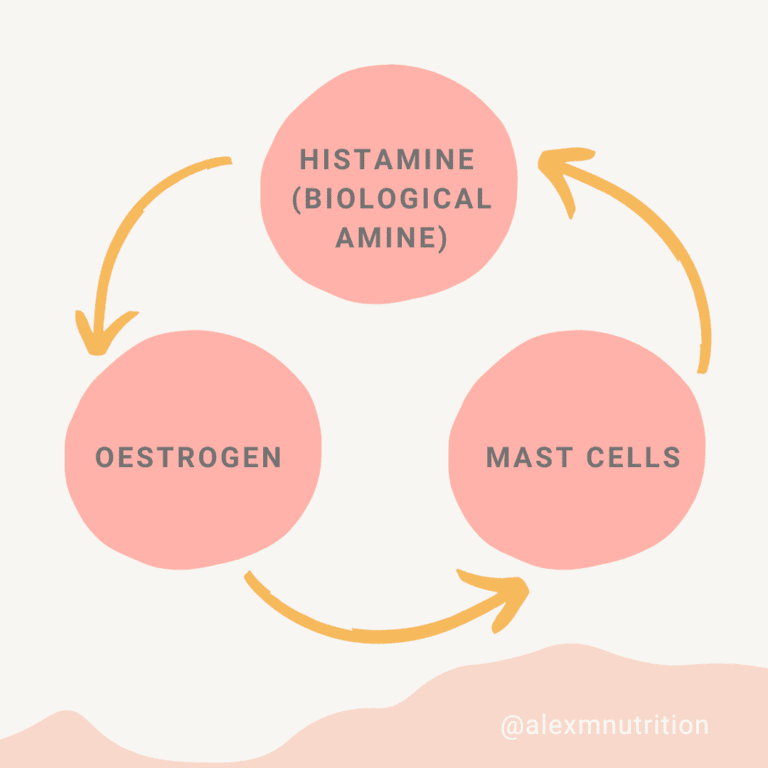
- Immune activation, including histamine-related patterns in some women
- Gut dysfunction and inflammatory bacterial by-products
- Chronic stress and nervous system dysregulation
- Environmental exposures that increase inflammatory load
Understanding what’s driving inflammation helps explain why symptoms persist and where treatment is most likely to have an impact.
Bleeding and iron: when “low iron” isn’t straightforward
Heavy or prolonged bleeding is one of the most common symptoms of adenomyosis.
For many women, it also becomes one of the biggest contributors to fatigue, brain fog, dizziness and poor exercise tolerance.
The obvious assumption is that heavy bleeding simply causes iron deficiency.
Sometimes that’s true. Sometimes it isn’t.
Inflammation can affect how iron is absorbed, transported and used throughout the body. In some cases, iron may appear adequate in storage but still be poorly available to the tissues that need it.
This is why I don’t rely on ferritin alone. I consider your bleeding history, symptoms, inflammatory picture and a full iron panel to better understand what’s contributing to your fatigue and whether iron replacement is appropriate.
The microbiomes: gut, vaginal, and uterine environments
The microbiome is the community of bacteria and other microorganisms that live throughout the body.
Most people think about the gut microbiome, but we also have distinct microbiomes within the vagina and uterus.
Research suggests these microbial communities differ in many women with adenomyosis, although we’re still learning exactly what those differences mean.
What we do know is that they influence inflammation, immune function and hormone metabolism.
This matters because:
- The gut microbiome influences inflammation, immune regulation and oestrogen metabolism.
- The vaginal microbiome helps maintain a healthy environment and protects against recurrent infections.
- The uterine microbiome is an emerging area of research that may influence uterine inflammation and fertility outcomes in some women.
Rather than viewing these systems separately, I consider how they interact and whether they’re contributing to your symptoms.
Gut factors that can flare pelvic pain and inflammation
Many women notice their gut symptoms worsen around their period.
Others find their pelvic pain improves when their gut health improves.
That’s not a coincidence.
The gut is one of the body’s largest immune organs. When it’s inflamed or disrupted, it can amplify inflammatory signalling throughout the body.
Depending on your history, I may consider:
- Constipation and sluggish bowel clearance
- Dysbiosis and inflammatory bacterial by-products
- Increased intestinal permeability (“leaky gut”)
- Food reactions where clinically relevant, including histamine-related patterns
The goal isn’t to follow a restrictive diet forever.
It’s to identify what’s relevant for you and reduce unnecessary inflammatory burden where possible.
Chronic or overlooked infections
Most infections don’t cause adenomyosis.
However, in some women they can add to the body’s overall inflammatory and immune load.
When the immune system is constantly responding to an unresolved trigger, symptoms such as pelvic pain, fatigue and histamine-related reactions may become harder to settle.
Where clinically appropriate, I may investigate:
- Recurrent bacterial vaginosis or thrush
- Recurrent urinary tract infections
- Chronic viral reactivation, such as Epstein-Barr virus (EBV)
- Urogenital infections, including Ureaplasma and Mycoplasma
- Gut infections, including parasites
Testing is always guided by your symptoms, history and clinical presentation. The aim isn’t to find an infection in everyone, but to avoid overlooking one when the clinical picture fits.
Hormones, ovulation, and progesterone resistance patterns
Adenomyosis is a hormone-responsive condition, which is why symptoms often change throughout the menstrual cycle and different stages of life.
Many women notice changes:
- Around ovulation
- Before their period
- During menstruation
- After pregnancy
- During perimenopause
- Following changes to hormonal contraception or hormone therapy
Hormones are rarely as simple as “too much oestrogen” or “not enough progesterone.”
Ovulation, progesterone signalling, oestrogen metabolism, blood sugar regulation and the stress response all interact. Understanding how these systems influence one another often provides a clearer picture of why symptoms are occurring.
Methylation and tissue resilience
Methylation is one of the body’s most important biochemical processes, yet it’s rarely discussed.
It influences how we metabolise hormones, regulate inflammation, produce antioxidants such as glutathione, repair DNA and switch genes on and off.
In women with adenomyosis, these processes matter because inflammation, oxidative stress and hormone signalling are all closely linked.
When methylation isn’t functioning efficiently, some women may be less able to clear hormones effectively, regulate inflammation or protect tissues from ongoing oxidative stress. While methylation isn’t the cause of adenomyosis, it may influence how the condition develops, how symptoms present and how well the body responds to treatment.
Because methylation affects so many fundamental processes, it’s something I consider as part of every clinical assessment rather than in isolation. It helps build a more complete picture of how your body is functioning and where additional support may be beneficial.
Pain sensitisation: why symptoms can be stubborn
One of the most frustrating things about adenomyosis is that pain doesn’t always reflect what’s seen on an ultrasound or MRI.
Some women with relatively mild imaging findings experience debilitating pain, while others with more extensive disease have far fewer symptoms.
This is partly because pain is influenced by more than tissue changes alone.
Over time, persistent pain can sensitise the nervous system, making it more responsive to pain signals. In other words, the body’s “volume control” for pain can become turned up.
This doesn’t mean the pain is psychological or “all in your head”. The pain is very real. It simply reflects the fact that both the uterus and the nervous system play a role in how pain is experienced.
This is one of the reasons pain management often needs to extend beyond reducing inflammation alone. Sleep quality, stress, pelvic floor function, movement and nervous system regulation can all influence how pain is experienced.
Chronic stress, adrenal hormones, and boundary load
Stress doesn’t cause adenomyosis.
But every form of stress places a demand on the body.
That stress may be physical, emotional, environmental or biochemical. It can come from chronic pain, poor sleep, nutrient deficiencies, infections, mould exposure, blood sugar dysregulation, inflammatory foods, relationship stress, overtraining, trauma, or simply trying to keep going when your body is asking you to slow down.
Over time, these cumulative stressors can affect communication between the brain, nervous system and adrenal glands through what’s known as the hypothalamic-pituitary-adrenal (HPA) axis.
The adrenal glands produce hormones such as cortisol and DHEA, which help regulate inflammation, immune function, blood sugar, energy production and your body’s ability to adapt to stress. When this system becomes dysregulated, some women notice they recover more slowly, sleep poorly, feel constantly depleted or become more sensitive to physical and emotional stress.
One stress pattern I commonly see is what I think of as boundary load.
It’s the ongoing strain of giving more than your body has capacity for.
It can look like:
- Constantly putting everyone else’s needs before your own.
- Feeling guilty resting or slowing down.
- Pushing through exhaustion because there’s no other option.
- Finding it difficult to say no.
- Carrying a heavy mental or emotional load for years.
These patterns don’t cause adenomyosis, and they’re certainly not a reflection of weakness. They’re often understandable adaptations to living with chronic symptoms or caring for others.
Over time, however, they can reduce resilience and make it harder for the body to regulate inflammation, hormone signalling and pain.
Supporting adrenal and nervous system health isn’t about removing every stressor from your life. That’s impossible. It’s about understanding where your body’s stress load is coming from, improving resilience where we can, and creating more capacity for recovery.
Environmental and toxicant exposures
We’re exposed to thousands of environmental chemicals every day.
Most are at low levels and, on their own, may not cause disease. But over time they can contribute to the body’s overall toxicant burden and influence inflammation, hormone signalling and immune function.
For some women, reducing that burden can become another important piece of the puzzle.
Depending on your history and symptoms, I may consider factors such as:
- Endocrine-disrupting chemicals found in plastics, pesticides, fragrances and personal care products.
- Mould and mycotoxin exposure.
- Occupational or lifestyle exposures.
- Long-term cumulative environmental exposures.
The goal isn’t to blame one environmental factor for adenomyosis. It’s to identify avoidable contributors where appropriate and reduce the overall load on your body.
Hysterectomy: important considerations (including partial hysterectomy)
A hysterectomy is currently the only definitive cure for adenomyosis because it removes the uterus where the condition occurs.
For many women, it can be life-changing, particularly when symptoms are severe and haven’t responded to other treatments.
For others, however, it isn’t the right option.
The decision depends on many factors, including your age, fertility goals, symptom severity, previous treatments and personal preferences. It’s a decision that should always be made in partnership with your gynaecologist.
It’s also important to understand exactly what type of surgery is being recommended.
A hysterectomy removes the uterus, meaning periods and uterine bleeding stop. If the cervix is retained (a subtotal or partial hysterectomy), some women may continue to experience light cyclical spotting.
It’s equally important to distinguish between removing the uterus and removing the ovaries.
Removing the ovaries causes immediate surgical menopause, resulting in a sudden drop in hormone production that can affect sleep, mood, bone health, cardiovascular health and long-term wellbeing. Even when the ovaries are preserved, some research suggests menopause may occur earlier following a hysterectomy.
Although a hysterectomy cures adenomyosis within the uterus, it doesn’t automatically address every factor that may be contributing to your overall health or ongoing symptoms. Inflammation, nervous system sensitisation, gut health, immune function and hormone regulation can still influence how you feel before and after surgery.
Whether you’re exploring conservative treatment, preparing for surgery or recovering afterwards, my role is to support your health alongside your medical team and help you optimise the factors we can influence.
Frequently Asked Questions
Find answers to common questions about endometriosis, naturopathic care, and Alexandra’s services.
Yes. Adenomyosis and endometriosis commonly occur together. Having both conditions can influence symptoms, fertility and treatment decisions, which is why it’s important to consider the whole clinical picture rather than either diagnosis in isolation.
Yes. Heavy or prolonged menstrual bleeding, often with blood clots, is one of the most common symptoms of adenomyosis. Over time, heavy bleeding can also contribute to iron deficiency, fatigue and reduced quality of life.
Yes. Many women with adenomyosis experience bloating or a feeling of pelvic fullness, particularly around their period. This may relate to uterine enlargement, inflammation and hormonal changes, although symptoms vary from person to person.
It can. While many women with adenomyosis conceive naturally, the condition may reduce fertility for some women, particularly when it occurs alongside endometriosis or alters the uterine environment.
Adenomyosis is usually diagnosed with a pelvic ultrasound or MRI alongside your symptoms and medical history. Unfortunately, diagnosis is often delayed because symptoms are frequently normalised or mistaken for other conditions.
It can. Symptoms may change over time, with some women experiencing progressively heavier bleeding, worsening pain or increasing uterine enlargement. Others have relatively stable symptoms. The course varies from person to person.
There isn’t one best natural treatment because every woman is different. The most effective approach is personalised and designed to work alongside appropriate medical care.
For many women, yes. Nutrition, sleep, movement and targeted supplementation may all play a role, particularly when recommendations are personalised rather than based on a one-size-fits-all approach.
Yes. A hysterectomy is currently the only recognised cure because it removes the uterus where adenomyosis occurs. However, it isn’t the right option for everyone, and treatment decisions should take into account symptom severity, age, fertility goals and personal preferences.
If the uterus is preserved, adenomyosis symptoms can return or persist over time. This is one reason why treatment plans often involve a combination of medical management, symptom monitoring and ongoing support.
Medical Disclaimer
The information on this page is general and educational and is not intended to replace medical advice, diagnosis or treatment. Please consult your GP, gynaecologist or other qualified healthcare professional for advice specific to your individual circumstances.
'For many women, a diagnosis answers what is happening, but not why...'

Conquer Endometriosis Naturally Program
If you’re feeling lost and overwhelmed trying to figure out the best way to reduce your Endometriosis symptoms then follow this link to find out more about my Conquer Endo Naturally Program
If you’re looking for endometriosis naturopathic support that takes a whole-body, evidence-aware approach, follow the link below to learn more then book a consultation or discovery call.
Telehealth Care
Book a Consultation
If you’re looking for personalised support for adenomyosis, I offer online naturopathic consultations for women across Australia and internationally.
Together, we’ll take a detailed look at your symptoms, health history and the factors that may be contributing to your condition, then develop a personalised, evidence-informed plan designed to complement the care you’re already receiving from your healthcare team.

Related Resources:
Endometriosis and Sleep Disorders
Women with endometriosis often face more frequent complaints of poor sleep, reduced quality of life, and

The Link Between Adrenal Dysfunction and Endometriosis
Adrenal dysfunction, particularly in relation to cortisol imbalance, can play a significant role in the
Endometriosis & histamine intolerance
Many women with Endometriosis are unknowingly suffering from a ‘histamine intolerance’ that can be making
EXCELLENT Based on 34 reviews
 Posted on Google
 Eliza YoungI cannot imagine where I would be if I hadn’t been introduced to the amazing Alexandra. I was really struggling with my hormones and trying to conceive. Now not only has my partner praised the changes in me, I’m also pregnant with my first child She really is a miracle workerPosted on Google
 Rachel PulverAlexandra is an incredibly knowledgeable and passionate practitioner. I thought I knew how to care for my health before seeing her, but she encouraged dietary changes and recommended supplements that have been invaluable in boosting and maintaining my energy while reducing the pain I experience in association with my endometriosis. She was extremely thorough in exploring all aspects of my physiology and personal history to hypothesise the underlying causes of my symptoms and treat me from a holistic perspective. I highly recommend Alexandra to anyone seeking answers about their health, particularly if they have endometriosis!Posted on Google
 NeridaHighly recommend Alex - I feel I've been in trusted hands, as I have been seeing her for about 8 months now as I go through IVF cycle, laparoscopy, endometriosis management and a pregnancy. She is very knowledgeable and a strong advocate for women's health, which has given me the confidence to advocate for myself more. She has looked at the bigger picture of what is helping or hindering my symptoms. My gut and reproductive health are in a far, far better place now than before I started seeing her.Posted on Google
 ZoeI wanted to wait before writing this review so I could genuinely say that my symptoms had significantly improved. I have been seeing Alex for two years, and during that time we have brought my endometriosis pain to a place where it is fully manageable with minimal pain medication. The difference in my quality of life has been profound. I also work closely with children and was previously getting sick almost every month. Since working with Alex, I rarely become unwell, even after close contact with the flu. With the supplements and plan she has tailored for me, my body now responds quickly and I am able to stay well and maintain my routine. Alex has strong professional connections across both Eastern and Western healthcare practitioners, which has been invaluable. She is meticulous, highly efficient, and an exceptional communicator who truly listens. Every recommendation feels considered and personalised. I began with her endometriosis package and have continued under her care since. She has been worth every cent. I will continue to see Alex long term and confidently recommend her to my family and friends. She will remain my primary practitioner alongside the GP she connected me with for as long as she is practising.Posted on Google
 Claudia CirjakHighly recommend Alex for tailored support during your endo journey. She is extremely thorough and detailed throughout the process. She is so well educated on the topic of women’s health and all things endo. Definitely reach out to Alex!Posted on Google
 Mel AbreyI love that I can have each appointment via Zoom. Perfect for my busy schedule. And Alex is wonderful and so knowledgeable. My health has benefitted greatly is so many areas since joining her program in April. Very grateful and thankful.Posted on Google
 Maria MejiaI started seeing Alex back in January, and since then my health has improved so much. My endo symptoms are gone. I have energy again! I rarely get sick anymore, my immunity has improved so much. My sinus symptoms have improved. Overall I feel more calm and in control of my health again. Alex is very knowledgeable and empathetic, and I'm so grateful for the guidance she's given me. Thank you again Alex for everythingPosted on Google
 ElizaAfter long time of feeling stuck with endo and fatigue, I started working with Alexandra which is when things began moving in a positive direction for me. Working with her for almost a year has been life-changing. My period pain level already decreased from 7-9 to 2-4 and we expect further improvements. Another win is that I am now getting off of antidepressants which is highly supported by the improvement of my overall health, as well as finding support and agency in alleviating my long-lasting symptoms. Alex always impresses me with the depth and complexity of her knowledge and research. At the same time she is attuned to and accepting of my rhythm and current capacity, making this big undertaking of healing endo at its roots, a stress and pressure-free experience. Alex is an exceptional practitioner, and I believe that our work together will benefit me for years to come.Posted on Google
 Lauren WI can't express enough how grateful I am for Alex's guidance and care. I started seeing Alex in 2023 when I was struggling with multiple health issues, and she has been an unwavering source of support and knowledge ever since. She's taught me so much along the way & has changed my life for the better. Thanks to Alex I've been able to manage stage 4 endometriosis without needing any further surgeries since being under her guidance, and my periods are now pain-free. She's also been instrumental in helping me with histamine issues and mold exposure. Beyond her expertise she is so kind + caring and has always made me feel heard since day one. I highly recommend Alex!!! She's made a world of difference in my health + getting my life back and I'm forever thankful to have had her on my side through it all.Posted on Google
 Jordann Crawford-AshI have been seeing Alex since November last year after a severe endometriosis diagnosis post laparoscopy. I was so overwhelmed about moving forward with this illness until I found Alex. She understood my situation completely and I felt supported and heard from our first consultation. I improved from the first month of treatment, and now, only 4 months in, I feel like a completely different person. I am back living a full life and my pain symptoms are already more than halved, something I personally haven't been able to achieve with other treatment options. Her treatment plans are detailed and extremely knowledgeable, incorporating the latest scientific research and natural medicine practices, and we have slowly introduced lifestyle and diet changes and supplements over time, making things extremely manageable. I truly can't recommend Alex enough!
Scientific References
- Chapron C, Vannuccini S, Santulli P, et al. Diagnosing adenomyosis: an integrated clinical and imaging approach. Human Reproduction Update. 2020;26(3):392–411. https://pubmed.ncbi.nlm.nih.gov/32097456/
- Zhai J, Vannuccini S, Petraglia F, Giudice LC. Adenomyosis: mechanisms and pathogenesis. Seminars in Reproductive Medicine. 2020. https://pubmed.ncbi.nlm.nih.gov/33032339/
- Donnez J, Stratopoulou CA, Dolmans MM. Uterine adenomyosis: from disease pathogenesis to a new medical approach using GnRH antagonists. International Journal of Environmental Research and Public Health. 2021;18(19):9941. https://pubmed.ncbi.nlm.nih.gov/34639243/
- Bulun SE, et al. Endometriosis and adenomyosis: shared pathophysiology. 2023. https://pubmed.ncbi.nlm.nih.gov/36925057/
- Bourdon M, et al. Immunological changes associated with adenomyosis: a systematic review. 2021. https://pubmed.ncbi.nlm.nih.gov/33099635/
- Dantzler MD, et al. The microbiome landscape of adenomyosis: a systematic review. 2025. https://pubmed.ncbi.nlm.nih.gov/39707139/
- Nirgianakis K, et al. Fertility, pregnancy and neonatal outcomes of patients with adenomyosis: a systematic review and meta-analysis. 2021. https://pubmed.ncbi.nlm.nih.gov/33191131/
- Vercellini P, Consonni D, Dridi D, Bracco B, Frattaruolo MP, Somigliana E. Uterine adenomyosis and in vitro fertilization outcome: a systematic review and meta-analysis. 2014. https://pubmed.ncbi.nlm.nih.gov/24622619/
- Capezzuoli T, et al. Conservative surgical treatment for adenomyosis: a systematic review. 2024. https://pubmed.ncbi.nlm.nih.gov/38906739/
- MacLean JA II, Hayashi K. Progesterone actions and resistance in gynecological disorders. 2022. https://pubmed.ncbi.nlm.nih.gov/35203298/